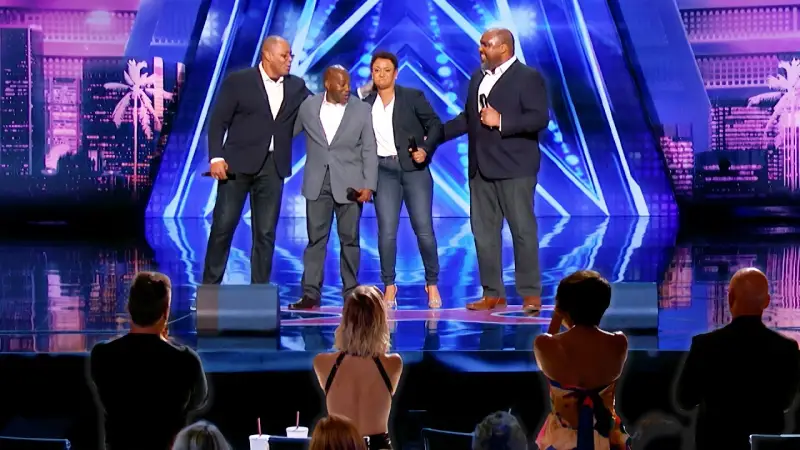
When military brotherhood became a shared song
Two men first met in a setting ruled by commands, grit, and constant risk. They were not musicians then. They were soldiers learning how to rely on each other through long days, rough conditions, and missions where trust could mean the difference between safety and loss.
They lived through early mornings, heavy equipment, and the quiet tension that follows dangerous work. Inside those moments, they shared jokes, fears, and the sort of memories that only people from combat fully understand. Over time, their connection grew stronger. What began as teamwork gradually turned into a deep brotherhood.
After the war, life did not instantly settle into calm. The uniforms were put away, the military routine disappeared, and ordinary life resumed. Even so, the emotional burden stayed behind. The noise of battle was gone, yet the stillness that followed felt even harder to bear.
Key Insight: For many veterans, the hardest part is not only what happened during service, but also what remains afterward.
Music entered their lives almost quietly. It started with small gestures, like humming along to the radio or softly repeating lyrics. Then, without much planning, they began singing together. Their voices may not have been technically perfect, but they blended naturally. Each note seemed to carry the weight of shared experience.
“What touches people most is not flawless technique, but sincere feeling.”
Before long, someone encouraged them to bring that connection to a public stage. Under bright lights and in front of a silent audience, they stood side by side once more. This time, however, they were not there as soldiers. They were there as voices telling a story.
As soon as they began, the atmosphere changed. Their singing was emotional and raw. At moments, their voices trembled, and their eyes filled with tears. None of that weakened the performance. Instead, it made everything more powerful. People in the room could be seen wiping their eyes and holding onto one another while they listened.
- The performance was remembered for honesty rather than polish.
- It showed that veterans also carry invisible struggles.
- It reflected how healing can begin in unexpected ways.
What left the deepest impression was their sincerity. The song carried a simple but powerful message: heroes face hardship too, and recovery does not always follow a neat path. Sometimes healing looks like friendship, music, and the courage to keep going one more day.
Their performance also expressed something many veterans find difficult to say aloud: they are not alone, their experiences matter, and feeling broken does not cancel the effort to heal. By turning shared pain into song, they found a way to comfort themselves and others.
They once stood together in silence during war. Now they stand together in truth through music. In doing so, they transformed painful memories into something that offered comfort, recognition, and hope to people still carrying unseen battles.
In the end, their story shows how connection can survive long after service ends. A bond formed in hardship became a source of healing, and a simple song became a reminder that even after war, hope can still be heard.